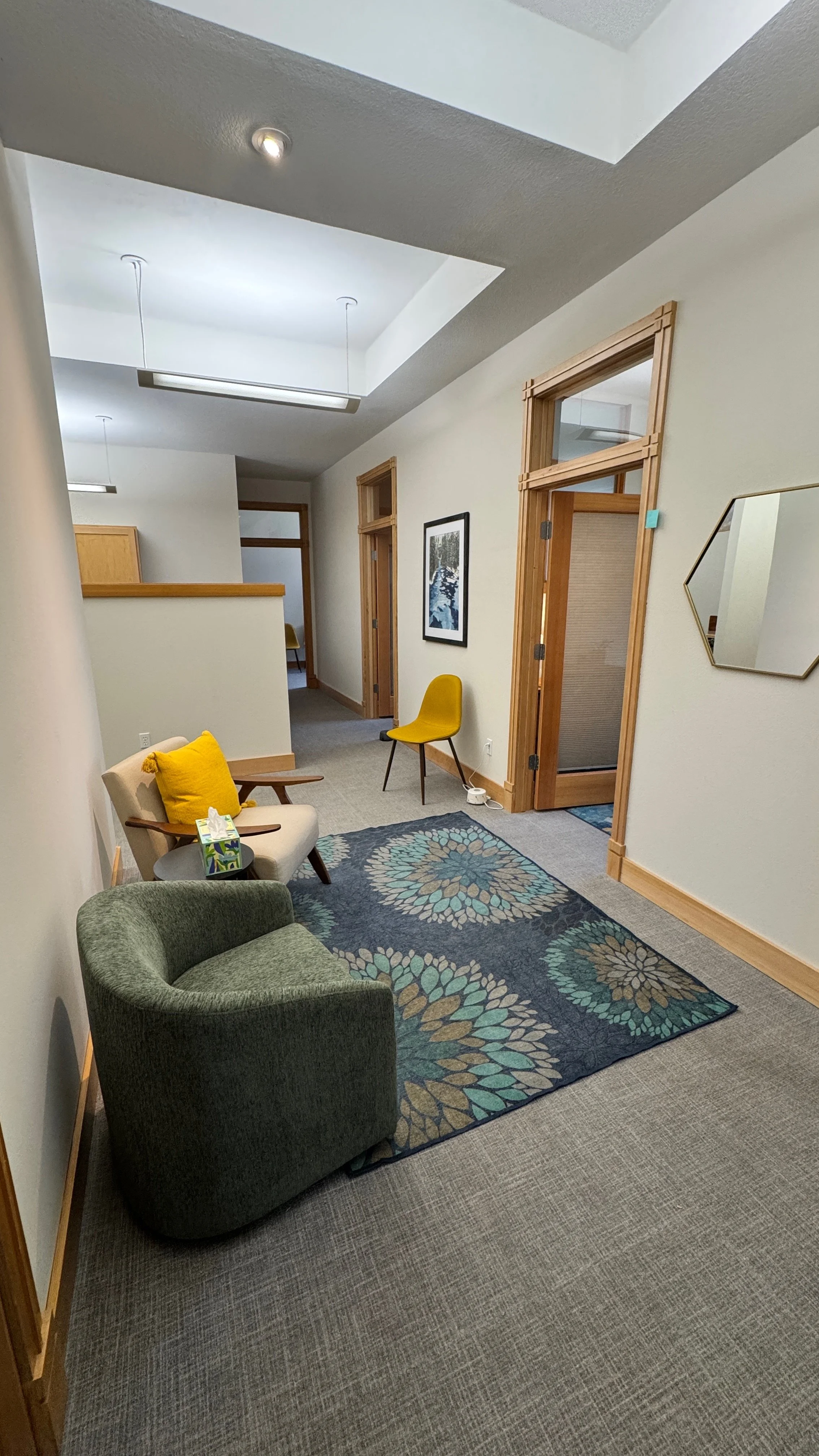
Your First Visit: What to Expect With Ketamine-Assisted Psychotherapy (KAP)
If you are considering Ketamine-Assisted Psychotherapy (KAP), the biggest barrier is often not motivation, it is uncertainty. What will it feel like? How long does it take? What do I need to do beforehand?
KAP combines ketamine with psychotherapy in a structured, supportive setting. Ketamine can create a temporary shift in awareness, perspective, and emotional processing. In KAP, that experience is paired with preparation and integration to help turn insight into meaningful, lasting change. Dosing takes place in-office with medical monitoring, and integration helps you carry what comes up into your daily life.
KAP may be considered if you feel stuck despite trying other approaches, are looking for a different way to process experiences or patterns, or want a structured, supported approach that includes both medical and therapeutic care. Your eligibility and safety fit are determined through a comprehensive intake and medical screening process.
What your first KAP dosing session looks like
Most first sessions follow a steady, supported rhythm:
Arrival and check-in
We review how you are doing, confirm your ride home, and check vitals.Settling in and intention reminder
We help you get comfortable and reconnect with your intention. Nothing complicated, just a gentle direction for the session.Dosing (IM ketamine, medically monitored)
Ketamine is administered in-office. You are supported by trained staff throughout the experience.Rest and inward focus (plan for ~2 hours total)
Most of the session is quiet and inward. You listen to music, rest, or simply observe what comes up while we monitor you.Return and grounding
As the effects wear off, we help you reorient, get steady, and prepare to transition home safely.
How it might feel
Experiences vary, but people commonly describe a sense of being inward, dreamlike, or outside of their usual thought patterns, along with changes in perception, imagery, or emotional access. Some notice a quieter mind or a different perspective on familiar experiences, while others feel physical sensations like heaviness, lightness, or mild nausea. These effects are temporary and part of why sessions are medically monitored. You will need a driver home and cannot drive for the rest of the day. Many people feel calm, reflective, or a bit “open” afterward.
How to prepare
Have no food for 4 hours prior
Limit caffeine the day of your session
Avoid alcohol or substances beforehand
Arrange a driver, you cannot drive for the remainder of the day
Arrive a few minutes early and plan for about 2 hours in clinic
Wear comfortable clothing
You may bring a small comfort item
Set 1–2 gentle intentions (not goals)
What happens after: your first integration session
If you are doing integration with Inner Journey Healthcare, your first integration session typically takes place within a few days after dosing. This session focuses on what you noticed, felt, or experienced during the session, including anything that felt meaningful, unclear, or surprising. We also work to identify any shifts in perspective, emotion, or patterns, and help translate those insights into small, realistic next steps. Just as important, we support your nervous system as you come out of the experience. You do not need to have it “figured out.” Integration is not about analyzing everything, it is about making sense of what matters and deciding how to carry it forward.
A note on support and integration
KAP is not just the dosing session. The experience can open a window, but integration is what helps something actually change. That might look like therapy, reflection, small behavior shifts, or simply noticing things differently in your day-to-day life. We focus on helping you leave both your dosing and integration sessions feeling grounded, supported, and clear on your next step.
Next step: How to know if it is right for you
If you are curious, the next step is a consultation and screening to confirm fit, safety, and timing. You do not need to be certain, you just need enough curiosity to ask questions.
Call Inner Journey Healthcare: 406-541-2012 for more information
Medical note: This blog is for education and is not medical advice. Ketamine-Assisted Psychotherapy is not appropriate for everyone and should always be guided by a qualified medical and behavioral health team.