A Conversation with Hayden
Sometimes what someone needs most is simply to feel heard, respected, and supported.
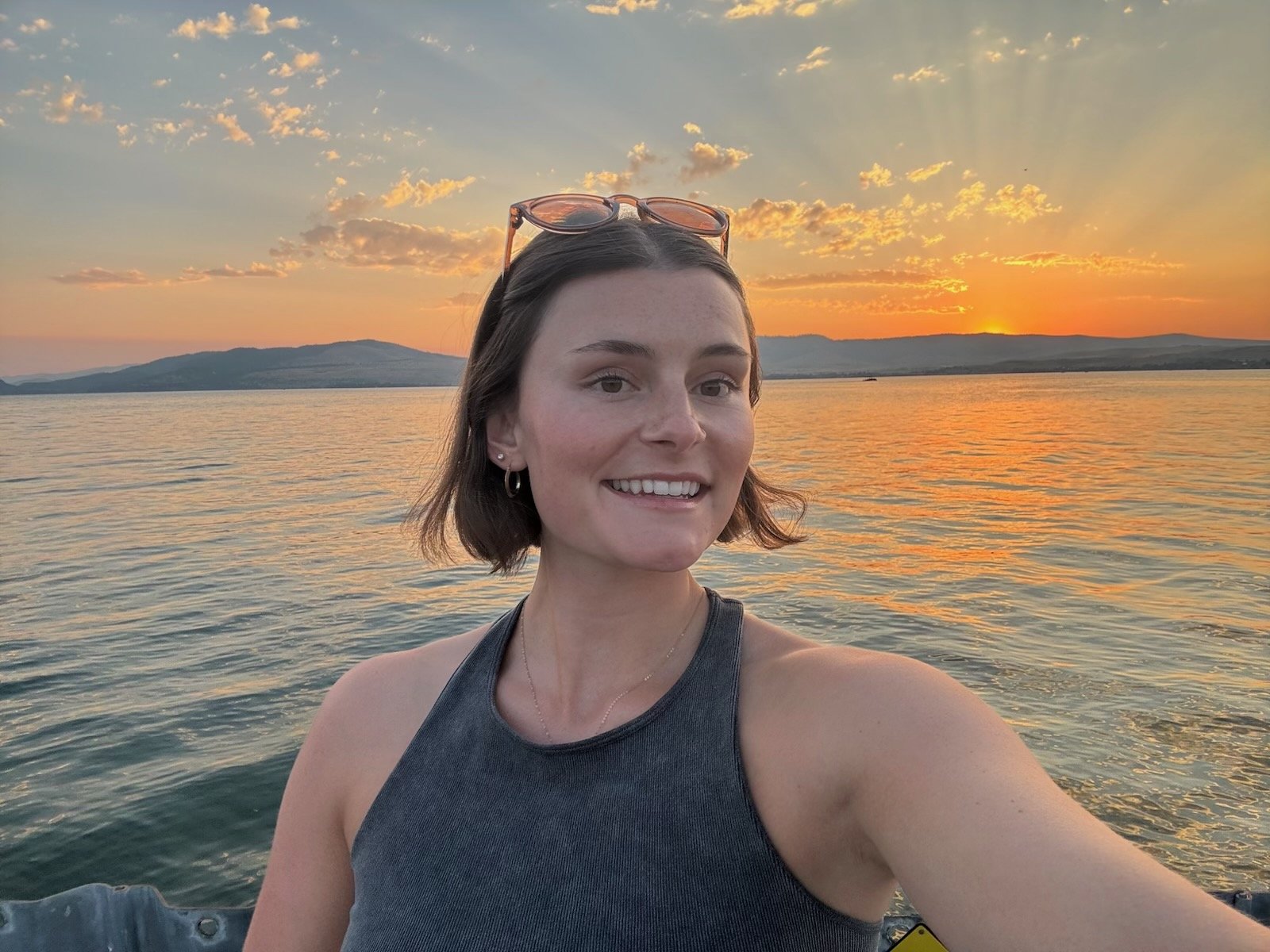
Meet Hayden!
You studied neuroscience at the University of Montana before becoming a PA. That’s a specific lens — how does thinking about the brain and nervous system shape the way you approach patient care?
I majored in neuroscience and minored in psychology at the U because I’ve always been fascinated by the intersection of the brain and behavior—everything from the mechanics of neurons, neurotransmitters, and synapses to the much bigger question of why we think, feel, and behave the way we do. I think that background has shaped the way I approach patient care by reminding me that there is always a connection between what is happening biologically and what a person is experiencing emotionally and behaviorally. It makes me curious about the whole person rather than just the diagnosis in front of me. I also love that there is still so much we don’t know about the brain, and I’m excited to continue learning as neuroscience and medicine evolve.
Before becoming a PA, you spent several years caring for older adults and people with disabilities. What did that work teach you about what people actually need from healthcare — beyond the clinical?
Before becoming a PA, I spent several years caring for older adults and people with disabilities, and that experience taught me that some of the most important parts of healthcare happen outside of a diagnosis or treatment plan. I learned the importance of truly listening to people and understanding what matters to them rather than assuming I already know what they need. Sometimes what someone needs most is simply to feel heard, respected, and supported.
That work also showed me how much I enjoy advocating for people and encouraging them when they may not feel capable of advocating for themselves. I’ve always loved being able to remind someone of their own strengths and help them take the next step forward. Those relationships are ultimately what drew me to medicine in the first place. I’ve never been very interested in medicine simply for the newest technology or surgical procedures, but rather for the opportunity to know my patients, earn their trust, and be someone they feel comfortable turning to.
You’re a Missoula native beginning your career at a practice in your home community. What does it mean to you to care for the place that helped shape you?
Missoula has always been and always will be my home. All my family and friends are here, and I mean, come on—who hasn’t enjoyed a sunset from Waterworks Hill, floated down the Clark Fork River, or grabbed a coffee at Break Espresso? I wouldn’t want to live anywhere else. Anyone who has had the pleasure of living in Missoula knows how special this community is, and I feel incredibly lucky to have been raised in a place where people genuinely care about one another and about the community they call home. Being able to give back to the people who helped raise me and shape who I am today is incredibly meaningful, and I feel extremely fortunate to begin my career here. I hope to build the same kind of genuine connections with my patients that have made this community feel like home to me for so many years.
Inner Journey is a specific kind of practice — integrative, offering KAP and Spravato alongside therapy. As someone just beginning your career, what drew you here rather than a more conventional setting?
With my background in neuroscience and my previous experience working with people with developmental disabilities, Inner Journey felt like a natural fit for me. I’ve always been drawn to the intersection of psychology, neuroscience, and medicine, and I love the opportunity to be part of a practice that takes such a comprehensive approach to wellness—caring for the mind, body, and spirit while also exploring innovative treatments for mental health. Inner Journey is such a unique gem in Missoula, offering services that can be truly life-changing for some people, and I feel incredibly fortunate to be a small part of that.
Your bio talks about caring for ‘both the physical and emotional aspects of well-being.’ In practice, what does that actually look like in an appointment? What does whole-person care mean beyond the phrase?
To me, whole-person care starts with being curious about the person sitting in front of me rather than focusing only on the reason they came through the door. A patient may come in with headaches, fatigue, or pain, but understanding what is happening in their life—their stress, sleep, relationships, mental health, and day-to-day circumstances—can be just as important as understanding their physical symptoms. It also means listening to what matters most to the patient and working with them to create a plan that fits their goals and their life. I don’t think physical and emotional health can truly be separated, and I want my patients to feel that they have a provider who is willing to look at the whole picture with them.