What the Ketamine Experience Can Teach You About Joy
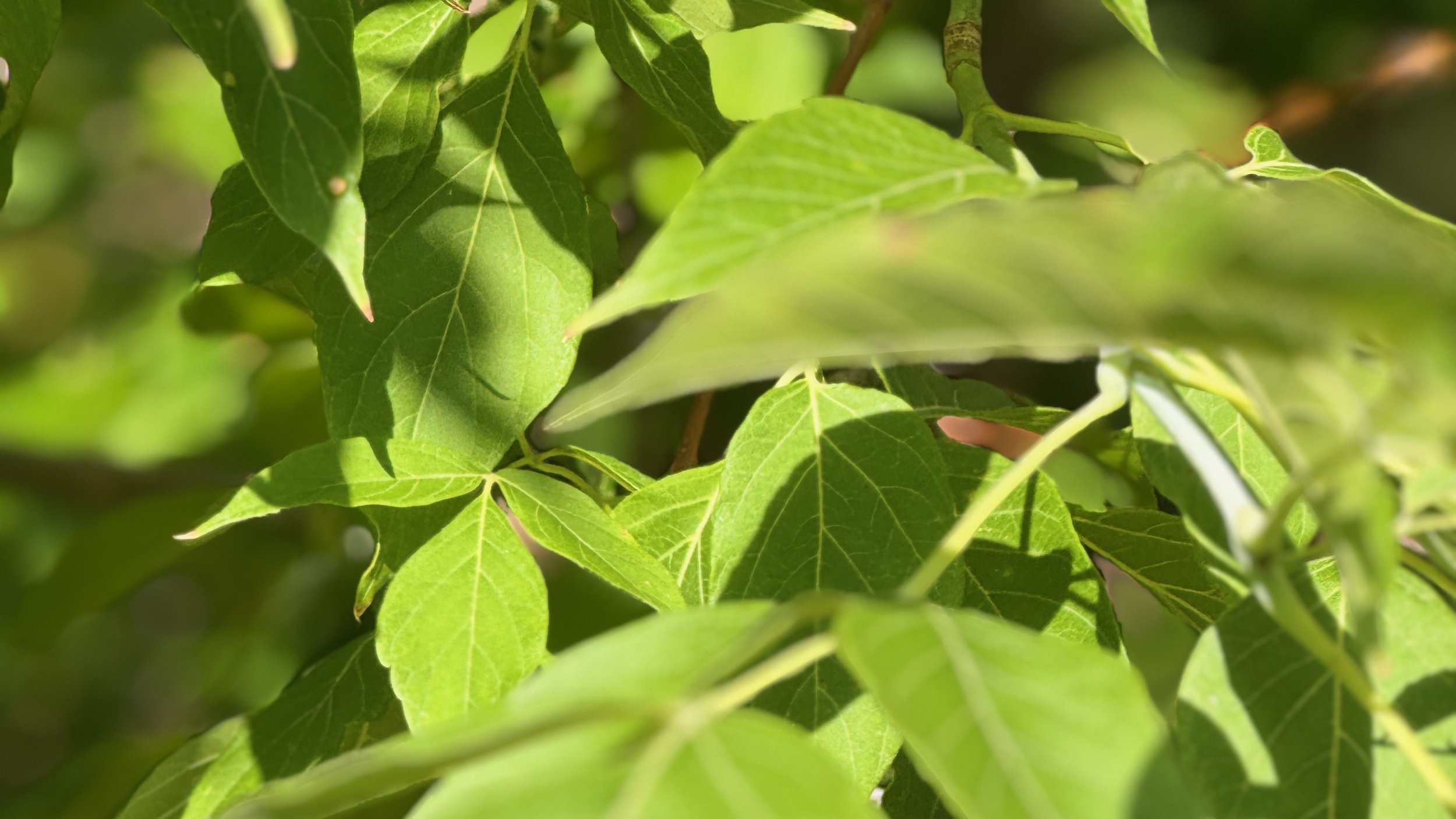
Noticing beauty in ordinary things
We often describe the ketamine experience using an image one of our providers calls the “snow globe”: the mind's usual, rigid patterns — the loops of worry, the fixed self-narrative, the automatic responses — get gently shaken loose. For a while, things settle differently. Thoughts that felt permanent loosen their grip. Perspective shifts in ways that are hard to access through talk alone.
Most of what's written about this expanded state focuses on trauma reprocessing, and for good reason, it's often where the most difficult, necessary work happens during Ketamine-Assisted Psychotherapy (KAP). But patients frequently report something else during and after sessions that gets less attention: a return of aesthetic and sensory openness. Colors, textures, music, and small physical sensations can register with unusual clarity. Patients describe noticing beauty in ordinary things, a pattern in the ceiling, the sound of their own breath, the specific quality of light in the room, with an attentiveness depression or chronic stress had quietly shut down.
This matters clinically, not just experientially. The same neuroplasticity that allows the mind to reprocess difficult material during KAP also seems to loosen the restrictions that keep people from noticing and enjoying their surroundings. For patients whose depression or trauma has narrowed their world for years, this openness- even briefly, even just during a session - can be a preview of a mind capable of something other than vigilance or numbness.
We don't treat this as separate from the therapeutic work. In your KAP sessions, we ask not only what came up emotionally, but what you noticed sensorially, what caught your attention, what felt good, what you were curious about. These details often carry information: a glimpse of what re-engagement with pleasure and curiosity could look like once the harder reprocessing work has done its part.
If a session leaves you with a memory of something unexpectedly beautiful or enjoyable, that's worth bringing into your integration conversation. It's not a distraction from the therapeutic work. It's part of it.
Medical note: This blog is for education and is not medical advice. Ketamine and Spravato are not right for everyone, and treatment should always be guided by a qualified medical and behavioral health team. To learn more about Ketamine-Assisted Psychotherapy at Inner Journey Healthcare, contact us at 406-541-2012 or connect@innerjourneyhealthcare.com.