A Conversation with Adri - Part 2
You Can Handle More Than You Think
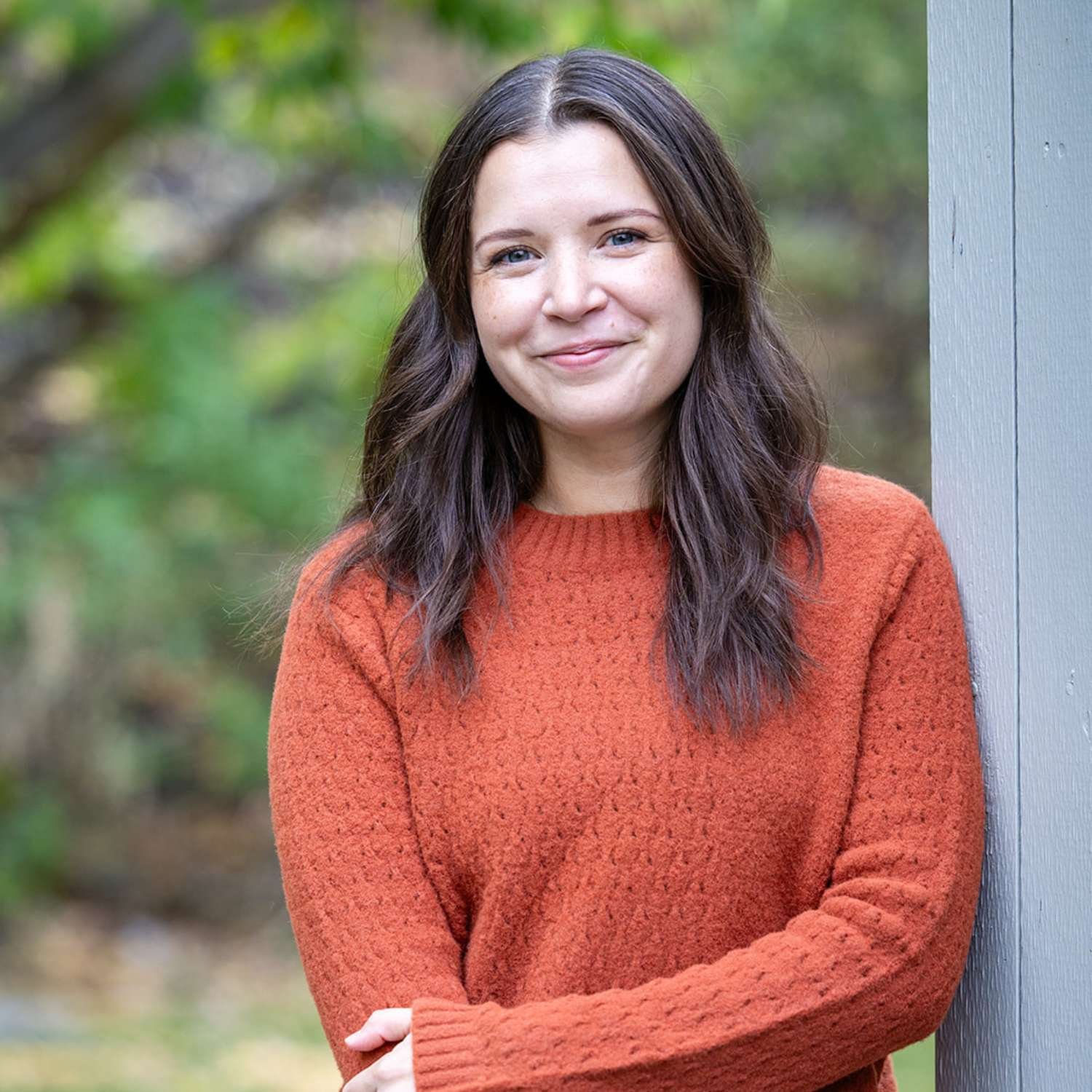
Meet Adri - Part 2
You talk about helping clients ‘tune into their internal wisdom and strengthen their self-trust.’ What does that look like in practice — how do you help someone access something they may not know they have?
I think this is something I aspire to do…I don’t know if I do it. I think so many of us get caught up in wanting to figure out what we should do or how we should be and we often look outside ourselves for those answers–to our peers, our family, the internet. I think this is so human
I’ll give you an example. Let’s say I’m working with a young person who has a life choice to make, and they are wanting to use therapy to figure out what they should do. My work is to help them build out their perspective beyond “right” and “wrong” and explore what matters most to them–this is an ACT concept. We are not necessarily trying to decide what they should do, but rather how they want to show up when making a hard choice. We explore their values, past successes and regrets, and their hopes for the future. In this process we’re excavating their experiences and helping them understand what is important to them, what they have learned and how that all informs how they move forward.
Trauma-informed care is a phrase that gets used a lot. What does it mean to you concretely — not as a concept, but as something specific you do inside a session?
The way I have been trained, being trauma informed means I am focused on developing safety and trust, supporting autonomy and choice, and breaking down power imbalances between myself and the client. Again, I am not the boss! I don’t have all the answers.
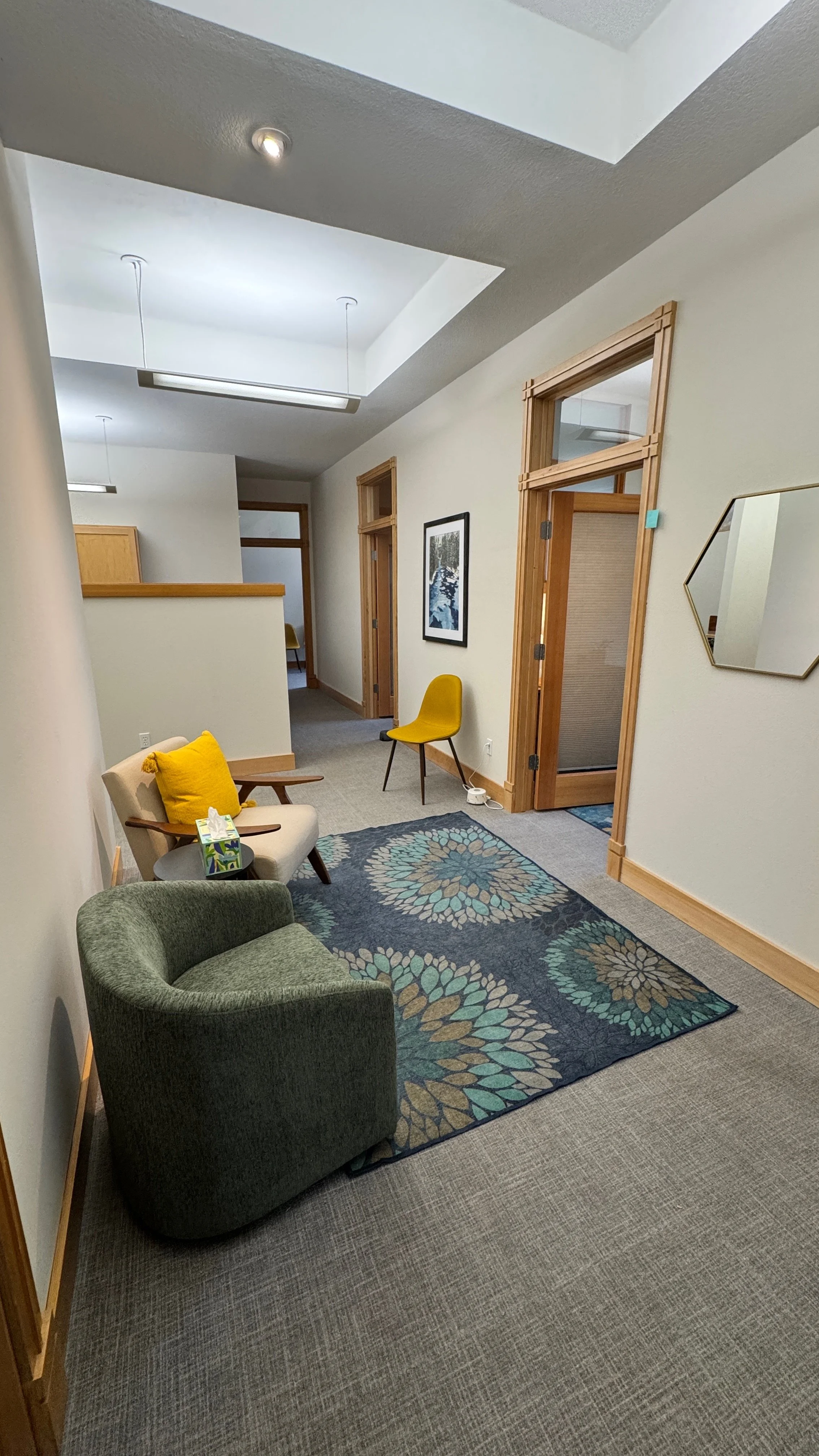
One concrete thing I do with clients, sometimes formally in guided exercise or sometimes informally is a practice called “securing the space.” At the start of session I check in and help clients to gauge their level of safety and comfort in the room. For new clients I help familiarize them with the office, for example where they can find the bathroom or get tea or water. And then see if there are things we can do to help make them more comfortable. Another example, more than once I have done a therapy session with someone with the lights off because they were overstimulated. Beyond immediate safety, it also helps clients and I start to create a dialogue around what helps create safety for them more broadly.
Another part of my trauma informed therapeutic practice is getting consent. For all clinical providers informed consent at the first appointment is standard. I like to carry this throughout subsequent sessions. I want to reinforce self determination and empowerment in clients so often I will ask along the way “is it okay to ask about this? Can we try something?” I don’t want to create a situation where clients feel as though therapy is happening to them.
I also like to be transparent with clients. I try to own when I don’t know something or get something wrong. I like to let people in on my thinking process when possible and demystify why I might ask the questions or use the exercises I bring to to their sessions.
For most people, trust is not earned in one session, and I try not to rush the therapeutic process.
Complex trauma — the kind that comes from chronic, relational, or developmental harm — is different from single-incident PTSD. How does that difference change your clinical approach?
Speaking very broadly, Complex Trauma takes more time to treat and heal. I am going to take more time establishing a secure base and understanding with the client, and I am going to help manage our expectations for growth and healing.
What is the most important thing someone living with complex trauma needs to understand about their own experience — something they may not have heard before?
Healing is possible, and it takes a lot of care and a lot of work.
Pacing is crucial in trauma work. How do you know when to go deeper and when to slow down or stop entirely?
I follow the client’s lead, which often means I am asking them and continuously checking in around consent with interventions. If someone feels unsafe or unable to keep themselves safe, that might be a situation where we stop and consider other options for care.
Your bio says your work is ‘guided by your intention to build connection and strength in your community.’ What does community mean to you in the context of therapy? How does the work extend beyond the individual in the room?
Therapy is innately a private and personal experience, but I do think of my therapist/client relationships as microcosms of our community. I want to support people’s growth and healing, because I know they have a role to play out in the world. For me, part of being in community is contributing in a meaningful way and showing up authentically. Sometimes that means I might have a different opinion or make a mistake. I think a crucial part of community is also figuring out how to navigate difference and tension. The flipside of that, I hope, is that when I show up as my authentic self, others feel safe to do the same.
Who in Missoula do you most want to reach with this work — the person who has talked themselves out of reaching out, who thinks their experience isn’t bad enough, or who doesn’t think therapy is for someone like them? What would you want to say to that person directly?
Therapy, and specifically trauma work, is really hard, there is no way around that, but you can handle more than you think.